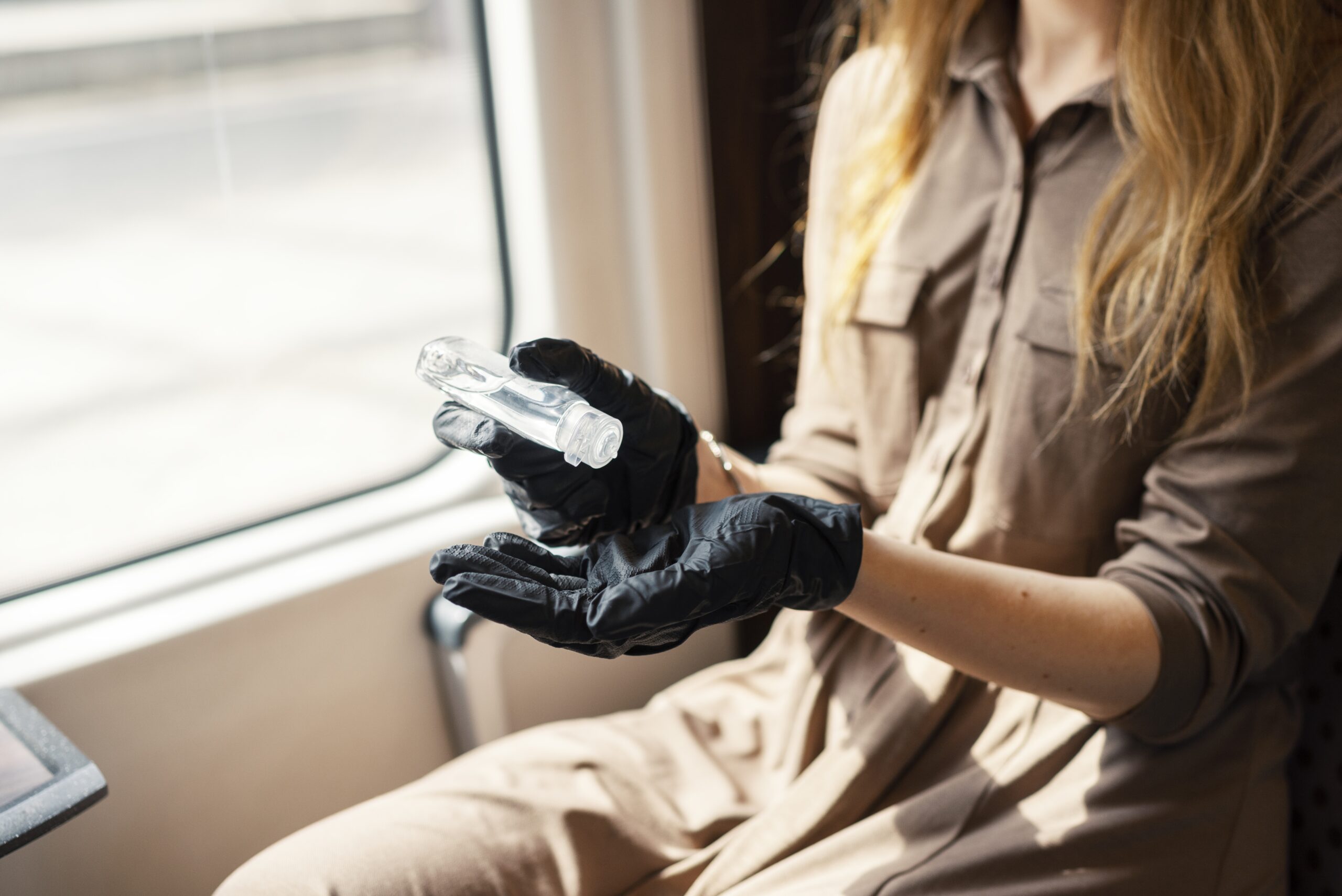

Withdrawal happens when someone stops using a drug, alcohol, or other substance. The body and mind have grown used to the substance. When it is removed, the body reacts with physical and emotional symptoms. People may feel sick, tired, anxious, or sad. Withdrawal can also cause sweating, shaking, or trouble sleeping. These feelings can be strong, but they are a sign that the body is adjusting to being healthy again. Understanding withdrawal helps people and families know what to expect. With the right care, withdrawal is safer and easier. This guide explains symptoms, treatment, and ways to get support for a smooth recovery.
Table of Contents
What Does Withdrawal Mean?
What does withdrawal mean? Withdrawal happens when a person stops using a drug, alcohol, or another substance they are used to. The body and brain get used to having the substance. When it is removed, the body reacts. People can feel sick, shaky, or very tired. They may feel anxious, sad, or angry. These are all normal signs that the body is adjusting.
Withdrawal can be mild for some people, like feeling restless or having trouble sleeping. For others, it can be stronger. Some people get a fast heartbeat, sweating, nausea, or vomiting. Drugs like alcohol, opioids, or benzodiazepines can make withdrawal dangerous if not watched by a doctor. That is why medical care is very important.
Substance withdrawal also includes the mind. People may feel confused, upset, or scared during this time. This is normal. Getting support from doctors, nurses, and counselors helps make withdrawal safer and easier. Treatment programs can provide medicine to lower cravings and ease pain. Counseling and therapy help people learn healthy habits and cope with stress.
The National Institute on Drug Abuse (NIDA) reports that millions of Americans need help for substance use. Many of them face withdrawal when they try to stop using drugs or alcohol. Understanding withdrawal helps people and families know what to expect. With proper care, withdrawal is temporary, safe, and part of the recovery process.
Signs You May Need Withdrawal
Here are 7 common signs someone may need help:
- Trouble sleeping or insomnia
- Strong cravings for drugs or alcohol
- Sweating or feeling very hot or cold
- Fast heartbeat or high blood pressure
- Nausea, vomiting, or diarrhea
- Feeling anxious, sad, or angry
- Trembling or shaking hands

Get Your Life Back
Find Hope & Recovery. Get Safe Comfortable Detox, Addiction Rehab & Mental Health Dual Diagnosis High-Quality Care at the We Level Up Treatment Centers Network.
Hotline (877) 378-4154Why Choose We Level Up NJ for Withdrawal?
We Level Up NJ helps people safely go through withdrawal. Our team is trained to care for both the body and mind. Patients get a plan made just for them. We watch them closely during the hardest times to make sure they are safe. The facility is clean, private, and comfortable. Doctors, nurses, and therapists work together to give each patient the right help. We use treatments that lower cravings and reduce pain. This makes withdrawal easier to handle.
Our programs also focus on the mind. Patients join counseling and group therapy to learn new habits and ways to cope with stress. We teach skills to avoid relapse and stay sober. Every patient is treated with respect and support. At We Level Up NJ, the goal is not only to get through withdrawal but to build a strong start for recovery. Our staff helps families understand the process, too. With our care, patients have a better chance of recovering and staying healthy for the long term.
What to Expect During Withdrawal?
When going through withdrawal, patients first get a full check-up. Doctors and nurses look at health, substance use history, and any mental health needs. This helps create a safe, personal plan for each patient. Symptoms can appear quickly, so patients are monitored closely, especially in the first days when withdrawal can be the hardest. Medical staff can give medicine to reduce pain, cravings, or anxiety. This makes withdrawal safer, more comfortable, and easier to manage.
Next, patients take part in therapy and support sessions. These can be one-on-one or in groups. Patients learn ways to handle stress, manage cravings, and build healthy routines. Counseling helps people understand their feelings, recognize triggers, and stay focused on recovery. Patients also practice relaxation, coping skills, and goal setting to prepare for life after withdrawal.
After withdrawal, a clear plan is made for life at home. This plan may include ongoing therapy, support groups, healthy habits, and check-ins with medical staff. Following this plan lowers the risk of relapse and helps patients stay on track. At We Level Up NJ, every step is designed to help patients feel safe, supported, and confident in their ability to live a healthy, substance-free life. Patients leave with tools and guidance to maintain recovery long term.
Get Help. Get Better. Get Your Life Back.
Searching for Accredited Drug & Alcohol Rehab Centers Near You? Or Mental Health Support?
Even if you have failed previously, relapsed, or are in a difficult crisis, we stand ready to support you. Our trusted behavioral health specialists will not give up on you. Call us when you feel ready or want someone to speak to about therapy alternatives to change your life. Even if we cannot assist you, we will lead you wherever you can get support. There is no obligation. Call our hotline today.
FREE Addiction Hotline – Call 24/7Benefits of Withdrawal
- Care for both body and mind
- Plans made just for each patient
- Safe, supervised detox programs
- Licensed therapists and addiction specialists
- Support to prevent relapse
How to Begin Withdrawal Treatment?
Starting withdrawal treatment is the first step to feeling better and staying healthy. At We Level Up NJ, we make it simple and safe. Our caring team guides you every step of the way. You can call us at (201) 389-9370, email verifyadmissions@welevelup.com, or visit us at 276 Bakers Basin Rd, Lawrenceville, NJ 08648 to get help today. Our staff will answer your questions, check your insurance, and create a plan just for you. We provide safe medical care, counseling, and support to make withdrawal easier. Don’t wait, taking action now can prevent serious health risks and start your path to recovery. Reach out to We Level Up NJ today and take the first step toward a safer, healthier life. Recovery is possible, and we are here to help you succeed.
Comfortable Facilities & Amenities
High-Quality Addiction & Mental Health Rehabilitation Treatment
Rehab Centers TourRenowned Addiction Centers. Serene Private Facilities. Inpatient rehab programs vary.
Addiction Helpline (877) 378-4154Proven recovery success experience, backed by a Team w/ History of:
15+
Years of Unified Experience
100s
5-Star Reviews Across Our Centers
10K
Recovery Success Stories Across Our Network
- Low Patient to Therapist Ratio
- Onsite Medical Detox Center
- Comprehensive Dual-Diagnosis Treatment
- Complimentary Family & Alumni Programs
- Coaching, Recovery & Personal Development Events
FAQs About Withdrawal: What You Should Know
1. What does withdrawal mean?
Withdrawal happens when the body reacts after stopping a drug, alcohol, or substance it is used to. It can cause sickness, mood changes, shaking, sweating, or strong cravings. These are normal signs that the body is adjusting to being healthy again.
2. How long does withdrawal last?
The length depends on the type of substance, how long it was used, and the person’s health. Some symptoms last only a few days. Others, especially emotional changes, may last weeks. Medical supervision makes withdrawal safer and easier to manage.
3. What is the difference between withdrawal and detox?
Detox is the medical process of removing substances from the body. Withdrawal is how the body reacts to stopping the substance. Both happen together, but withdrawal is the body’s natural response.
4. Can withdrawal be dangerous?
Yes. Some drugs, like alcohol or opioids, can cause seizures, heart problems, or extreme sickness. Medical care is very important to stay safe during withdrawal.
5. What does substance withdrawal mean for mental health?
Withdrawal affects mood and thinking. Anxiety, sadness, irritability, or confusion are common. Counseling and support help patients manage these feelings safely.
6. Are medications used during withdrawal?
Yes. Doctors may give medicines to reduce cravings and ease physical symptoms. Medications help patients stay comfortable, safe, and focused on recovery.
7. Who should get help for withdrawal?
Anyone trying to stop drugs or alcohol may need help. People with long-term substance use, serious health issues, or past withdrawal problems should seek medical care. Early support lowers risks and improves chances of successful recovery.
8. How can families support someone in withdrawal?
Families can provide emotional support, help with appointments, and encourage healthy habits. Learning about withdrawal symptoms makes families better prepared to help safely.
World-class, Accredited, 5-Star Reviewed, Effective Addiction & Mental Health Programs. Complete Behavioral Health Inpatient Rehab, Detox plus Co-occuring Disorders Therapy.
CALL (877) 378-4154End the Addiction Pain. End the Emotional Rollercoaster. Get Your Life Back. Start Drug, Alcohol & Dual Diagnosis Mental Health Treatment Now. Get Free No-obligation Guidance by Substance Abuse Specialists Who Understand Addiction & Mental Health Recovery & Know How to Help.
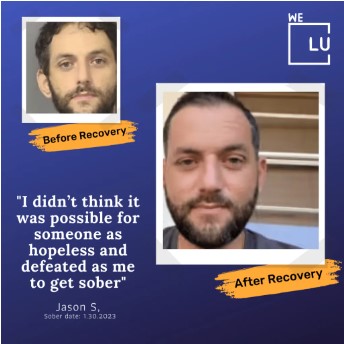
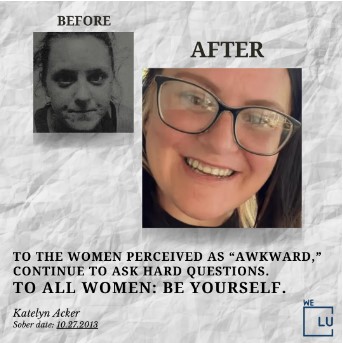
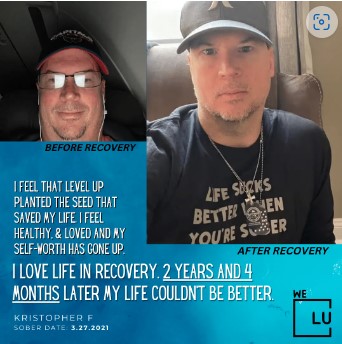
Experience Transformative Recovery at the We Level Up Treatment Center.
See our authentic success stories. Get inspired. Get the help you deserve.
Start a New Life
Begin with a free call to an addiction & behavioral health treatment advisor. Learn more about our dual-diagnosis programs. The We Level Up treatment center network delivers various recovery programs at each treatment facility. Call to learn more.
- Personalized Care
- Caring Accountable Staff
- Comfortable Amenities
- Licensed & Accredited
- Renowned w/ 5-Star Reviews