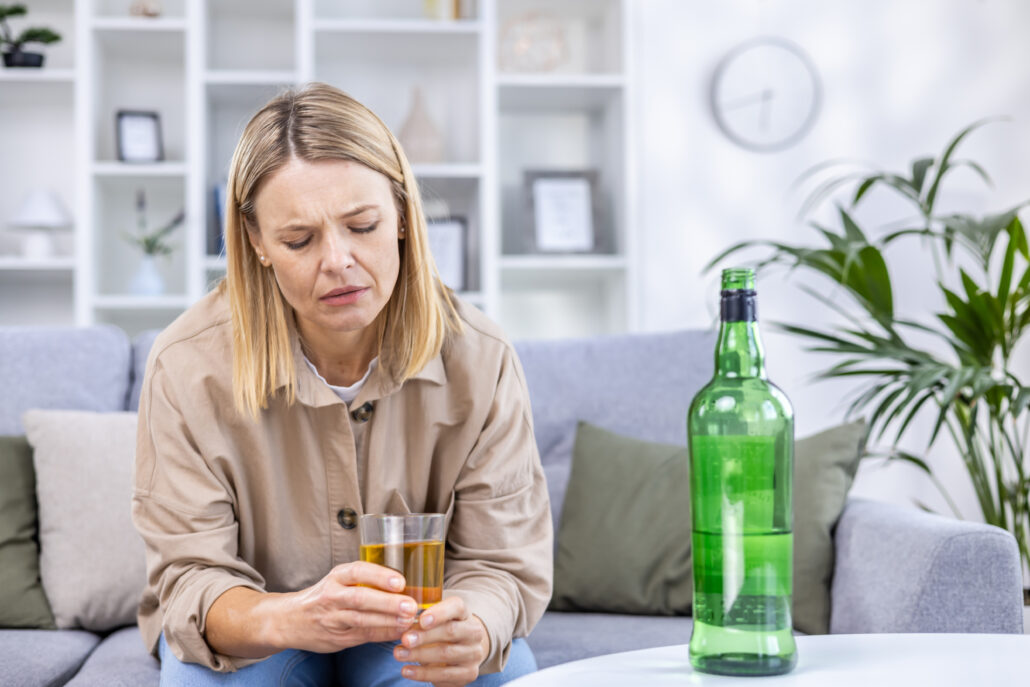
Some people cannot drink alcohol without feeling sick. Drinking can cause headaches, stomach pain, redness, or nausea. To stay safe, it is important to know your body. At We Level Up NJ, we suggest eating food before drinking and sipping slowly. Pick drinks with less alcohol and drink water between drinks to help your body. Keep track of which drinks make you feel bad and avoid them. If your symptoms are strong, it is safest not to drink at all. Always ask a doctor or nurse for advice if you are unsure. Managing alcohol carefully helps you stay healthy and feel better. Listen to your body and make smart choices.
Table of Contents
World-class, Accredited, 5-Star Reviewed, Effective Addiction & Mental Health Programs. Complete Behavioral Health Inpatient Rehab, Detox plus Co-occuring Disorders Therapy.
CALL (877) 378-4154End the Addiction Pain. End the Emotional Rollercoaster. Get Your Life Back. Start Drug, Alcohol & Dual Diagnosis Mental Health Treatment Now. Get Free No-obligation Guidance by Substance Abuse Specialists Who Understand Addiction & Mental Health Recovery & Know How to Help.
What Is Alcohol Intolerance?
Alcohol intolerance happens when your body cannot break down alcohol properly. People with this condition may feel sick or have reactions even after a tiny amount. It is not the same as an allergy. Alcohol intolerance often comes from genes or enzyme problems. Some people have genetic alcohol intolerance, which means they inherited it from their family. The National Institutes of Health (NIH) says about 36% of East Asian adults have this kind of intolerance. These people have a problem with an enzyme called ALDH2.
Other causes can include medications or health problems. People with alcohol intolerance may get headaches, nausea, or flushing. They may also feel tired, dizzy, or have a fast heartbeat. These reactions can happen quickly, even after a small drink. It is important to get help from professionals. At We Level Up NJ, we provide support for people with alcohol intolerance. We teach ways to stay safe, like drinking less, drinking slowly, and eating food before alcohol. We also help people know which drinks to avoid and how to track symptoms. With the right care and guidance, people can enjoy life safely while managing alcohol intolerance.
Signs You May Have Alcohol Intolerance
Here are common alcohol intolerance symptoms:
- Red or flushed face after drinking
- Fast heartbeat or palpitations
- Feeling sick or vomiting
- Headaches or migraines
- Feeling dizzy or faint
- Runny nose or sneezing
- Trouble breathing or wheezing
If you notice these signs after drinking, you may have alcohol intolerance. Some people have alcohol intolerance reactions after even one drink. Seeing a professional can help you stay safe and healthy.
Get Your Life Back
Find Hope & Recovery. Get Safe Comfortable Detox, Addiction Rehab & Mental Health Dual Diagnosis High-Quality Care at the We Level Up Treatment Centers Network.
Hotline (877) 378-4154Why Choose We Level Up NJ for Alcohol Intolerance Care?
At We Level Up NJ, we help people who have trouble with alcohol. Alcohol intolerance can make you feel sick, tired, or dizzy after just a small drink. Some people get headaches, nausea, or red skin. These problems can make life hard. We know how to help. At We Level Up NJ, our team listens to your needs. We explain what alcohol intolerance is and how it affects your body. We give advice on how to stay safe. This can include eating before drinking, drinking slowly, choosing drinks with less alcohol, or avoiding some drinks completely.
We also help you track your symptoms. When you know which drinks cause problems, you can make better choices. Our staff teaches easy ways to keep safe while still enjoying social life. We care about your health. If you have other health problems or take medicine, we make sure you know what is safe. We answer your questions and give support every step of the way. At We Level Up NJ, you are not alone. We give help, tips, and guidance that work for you. We want you to feel better, stay healthy, and make smart choices about alcohol. With our care, you can live safely and enjoy life while managing alcohol intolerance.
Ready to get started? Call (201)389-9370 or email verifyadmissions@welevelup.com today. A better life is waiting for you.
What to Expect During Alcohol Intolerance Treatment?
If you have alcohol intolerance, getting help can make life easier. At first, the doctor or nurse will ask about your health and what happens when you drink alcohol. They may ask about your family history, medicines you take, and other health problems. This helps them understand why your body reacts to alcohol.
Next, the team will explain what alcohol intolerance is and how it affects your body. Some people cannot break down alcohol well because of their enzymes. Others may have reactions to medicines or health conditions. Knowing the cause helps the team make a safe plan just for you. You will learn ways to avoid reactions, like eating before drinking, drinking slowly, picking drinks with less alcohol, or avoiding some drinks completely. Tracking your symptoms can also help you and your doctor understand your limits.
At We Level Up NJ, we give support every step of the way. Our team answers questions, gives tips, and helps you make a plan that fits your life. Treatment also focuses on keeping you healthy long-term. You will learn when it is safest not to drink and how to avoid strong reactions. With guidance and care, you can enjoy life safely while managing alcohol intolerance.
Get Help. Get Better. Get Your Life Back.
Searching for Accredited Drug & Alcohol Rehab Centers Near You? Or Mental Health Support?
Even if you have failed previously, relapsed, or are in a difficult crisis, we stand ready to support you. Our trusted behavioral health specialists will not give up on you. Call us when you feel ready or want someone to speak to about therapy alternatives to change your life. Even if we cannot assist you, we will lead you wherever you can get support. There is no obligation. Call our hotline today.
FREE Addiction Hotline – Call 24/7Benefits of Alcohol Intolerance Treatment
- Care that looks at both physical and mental health
- Plans for people with genetic alcohol intolerance
- Learn how to avoid triggers and stay safe
- Support from trained medical staff
- Better understanding of alcohol intolerance symptoms
- Long-term tips for social events and safe drinking
How to Get Started with Alcohol Intolerance Treatment?
Starting with We Level Up NJ is easy. Call (201) 389-9370 or email verifyadmissions@welevelup.com. We can help check your insurance and set up a consultation. You will meet our team and get a personal plan for your care. Early help is best to prevent serious reactions.
During your first visit, our staff will listen to your health history and talk about your symptoms. We will explain what alcohol intolerance is and how it affects your body. You can ask questions and share what you have experienced. Together, we will make a safe plan that fits your life.
At We Level Up NJ, we guide you every step of the way. We teach how to stay safe, track symptoms, and avoid drinks that cause problems. Our goal is to help you feel confident, healthy, and in control. Starting treatment early can make a big difference and help you enjoy life safely while managing alcohol intolerance.
Ready to get started? Call (201)389-9370 or email verifyadmissions@welevelup.com today. A better life is waiting for you.
Comfortable Facilities & Amenities
High-Quality Addiction & Mental Health Rehabilitation Treatment
Rehab Centers TourRenowned Addiction Centers. Serene Private Facilities. Inpatient rehab programs vary.
Addiction Helpline (877) 378-4154Proven recovery success experience, backed by a Team w/ History of:
15+
Years of Unified Experience
100s
5-Star Reviews Across Our Centers
10K
Recovery Success Stories Across Our Network
- Low Patient to Therapist Ratio
- Onsite Medical Detox Center
- Comprehensive Dual-Diagnosis Treatment
- Complimentary Family & Alumni Programs
- Coaching, Recovery & Personal Development Events
FAQs About Alcohol Intolerance
1. What causes alcohol intolerance?
Alcohol intolerance can happen because of genes, enzymes, or medicines. Some people inherit it from their family. Other causes include health problems, alcohol sensitivity, or reactions to certain drinks. Even small amounts of alcohol can trigger symptoms for some people.
2. How do I know if I have alcohol intolerance?
Look for signs like a red face, nausea, headaches, a fast heartbeat, or feeling dizzy after drinking. Some people may also feel very tired or have stomach pain. If these happen often, it is important to talk to a doctor or nurse for help.
3. Is alcohol intolerance dangerous?
Most reactions are mild, but some can be serious. Trouble breathing, dizziness, or feeling very sick needs fast medical help. Treatment helps you manage symptoms and lowers the risk of serious problems.
4. Can alcohol intolerance be treated?
Yes. Treatment helps you avoid triggers, manage symptoms, and make safe lifestyle choices. Professionals can make a personal plan for you. Learning which drinks cause problems and tracking your symptoms is very helpful.
5. Is alcohol intolerance the same as an allergy?
No. Alcohol intolerance is about enzymes and genes. An alcohol allergy comes from your immune system. They are different and need different care.
6. Can children inherit alcohol intolerance?
Yes. Children can inherit genetic alcohol intolerance from their parents. They may react badly if they drink alcohol later in life. Early education and awareness can help them stay safe.
Experience Transformative Recovery at the We Level Up Treatment Center.
See our authentic success stories. Get inspired. Get the help you deserve.
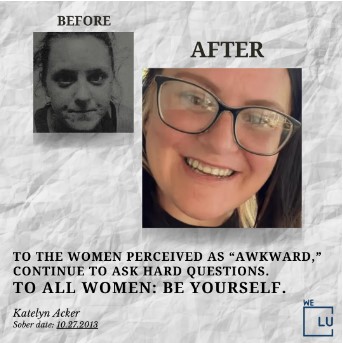
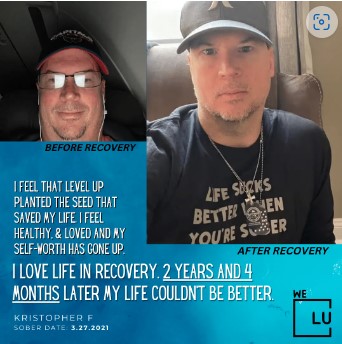
Start a New Life
Begin with a free call to an addiction & behavioral health treatment advisor. Learn more about our dual-diagnosis programs. The We Level Up treatment center network delivers various recovery programs at each treatment facility. Call to learn more.
- Personalized Care
- Caring Accountable Staff
- Comfortable Amenities
- Licensed & Accredited
- Renowned w/ 5-Star Reviews